Showing posts with label blood pressure. Show all posts

Sunday, 18 February 2018

Wellness Trends for 2018

The passion for fitness is here to stay forever, so it is natural for us to extend our personal capabilities and make room for more and more of it- which includes wellness this time. Enter the super cool world of wellness and fitness which is no mean business and is only meant to serve you holistically, sensuously and in the zeal of good health. People are familiar with the underlying factors of fitness like good health, sustainable health and the various means to achieve them. They don’t need another gym trick to get that fit body. Now, they need better means to achieve the same level of fitness, so the natural re-routing will happen through wellness which is as much about the physical rejuvenation as it is about the mental relaxation. Without the mental nodes, there is no physical revitalization too. Both need each other and so do we need them now.

So, here is how people will correlate good health and fitness with wellness in 2018.

Wellness Travel

We were travelling for wellness and now, we will plan a wellness holiday to go deep within. There are the best retreats which work closely and personally with each guest and give them accommodation to mingle with nature and the self. There are absolute serenity and solace with a hill journey and if your direct spot is a wellness resort, it cannot get any more personally inquisitive.
The best wellness retreats offer their guest the extreme luxury of indulgence with personalized treatments, personalised menu, personalised wellness routine, thus a perfect wellness vacation. It is the preferred treatment delivered in specialised settings, which cannot get any better, can it!

Wellness Specialities

As more and more people get acquainted, the wellness concept will gain further traction. Also, those seeking further respite in nature and wellness will drive the diversification in wellness and natural care. It will only get more interesting and exciting as more people continue to dwell on the topic of wellness. The wellness outlets on their part will continue to offer an insight to help people get friendly to the idea and understand its relevance deeper.

Like any wellness centre begins with doing a postural assessment and then prescribe a suitable therapy like aromatherapy, recovery, de-stress, reflexology, Vedic spice or invigorating massage and the Yogic kriyas (according to prescription). There are personal trainers to help you do personal yoga sessions. There is TRX, stretching sessions, spinning, dance, laughter therapy, pranayama, meditation and more to do some mind, body and soul-searching.

The biggest trend for 2018 will be an infrared sauna, acupuncture, Reiki and the natural beauty products gaining mainstream attention.

Visiting Experts

A wellness visit is always experiential and to make it particularly effective, one should ideally long for more experience and observations. There are many wellness destinations which offer you an opportunity to get up and close with nature and understand the life here.
Lookout for interactions and special engagements with chefs, athletes, healers, doctors, gardeners, to learn every bit about the art of spiritual healing, healthier habits and top of the skills to offer wellness.  It is good to interact and carry meaningful conversations back home.

Silence

Take a willful break from the world of constant communication and be in your cocoon. It is a big task to take a recluse and only a wellness resort destination can help you do that. Go up the hill and enclose yourself in the silence. 
Instead of a virtual experience on-screen, pave way for the mindfulness and meditative nature walks, enjoy the utmost silence with the spa therapists, or even the lovely lookout at nature from your room. Engage with natural things of life by doing physical workouts like aqua exercises, Pilates, stretching sessions, laughter therapy, jogging through nature or simply meditating. Take out time once in a whole to enter the no-cell zone in personal comfort and willingness to mingle around.

Mental Health

Boost the on-going awareness of this subject and focus on one of the most unaccepted facts of human behaviour.  Educated and support people to openly talk and discuss their mental well-being. Work towards mindfulness... encourage discussions at workplaces, public forums, educational institutes. Celebrities are already promoting mental health and so will wellness industry.

In the Nutshell

As more and more people walk into the wellness zone, the presumption is that they have a renewed purpose of fitness and good health. Naturally, they are not alien to the nuisances of the daily life and how a wellness retreat can be a perfect match for them. It is just that they now wish to experience it and be a part of this blissful journey. To do so, they will look for value-add through wellness. This is where the big opportunity lies.

We don’t need to convince people to visit us, but we definitely need to give them an experience which they will cherish for a lifetime. Repeat visits will be our biggest success since a single guest visiting us many times means that they know how wellness can make a difference to us. So, personalization will rule the roost.

Wednesday, 2 March 2016

Breakfast Foods to Avoid

Breakfast is the most important meal of the day for people of all ages, and what you choose to eat in the morning is equally important.
A healthy breakfast is linked to many benefits, including weight control, improved performance, good metabolism, better concentration and overall good health.
A 2006 study published in the Journal of Adolescent Health reports that the trend of skipping breakfast increases as adolescents grow older and is linked to increased weight gain.
Eating an unhealthy breakfast is as bad as skipping breakfast. So, plan your breakfast menu properly and pay attention to eating healthy always.
Here are the 10 worst breakfast foods to start your day.

1. Sugary Cereals

unhealthy breakfast cereal
Cereals are considered ideal breakfast foods, but you need to choose the best ones. The market is flooded with sugary cereals, which are not healthy for your body.
These cereals taste good because they have added sugar and artificial flavors. When you eat these cereals, the body converts the extra sugar calories to fat, thus increasing the risk of obesity.
Furthermore, the sugar causes blood sugar levels to spike, making you hungry again and you start craving more unhealthy, sweet and fatty foods. Plus, the food dyes used in colored cereals are not healthy.
According to a recent analysis by the Environmental Working Group of 1,556 cereals on the U.S. market, many are as sweet as cookies and should not be considered a part of a healthy breakfast.
Choose your breakfast cereals carefully. Look for those made with whole grains, as the fiber will help you stay full longer.
Plus, the vitamins, antioxidants and minerals found in whole-grain cereals can protect against problems like obesity, digestive issues, cancers and heart disease.

2. Fruit Juice

apple juice
Fruit juice is another staple breakfast item. The problem lies with processed fruit juices, which contain added sugars and preservatives.
Plus, processed fruit juices are often low in nutrient value, lacking healthy fiber, enzymes, minerals, antioxidants and vitamins.
In fact, to get the most health benefits from fruits, it is recommended to opt for whole fruits rather than fruit juice. Although the juice has as much sugar as the fruit, it does not contain fruit pulp which is rich in dietary fiber.
Unlike the juice which gets absorbed faster, the whole fruit with its fiber content that can help tame hunger pangs until lunch time.
A 2013 study published in the European Journal of Clinical Nutrition reports that intake of whole apples or clear apple juice has contrasting effects on health.
While whole apples are rich in polyphenols and pectin, these constituents segregate differently during processing into juice form, thus the clear juice lacks these constituents.
Pick whole fruits over fruit juice for a healthy breakfast menu. Whole fruit will provide your body with all the necessary vitamins, minerals and fiber.
Some tasty, low-calorie fruit choices for breakfast include apples, grapefruits, papayas, watermelons and berries.

3. Bacon

smoked bacon
Make sure you are not eating something rich in saturated fat like bacon as part of your most important meal of the day.
Starting your day with bacon may increase your risk of heart disease and cancer due to its saturated fat, sodium, nitrate and nitrite content.
According to the American Heart Association, eating foods high in saturated fat raises blood cholesterol levels, which in turn may increase the risk of heart disease and strokes.
The World Health Organization says that high red meat intake increases the risk of colorectal, pancreatic and prostate cancers.
A 2005 study published in the Journal of the National Cancer Institute suggests an association between high intake of red meat and processed meat and an increased risk for pancreatic cancer.
Make sure to eat something nourishing and sustaining for breakfast to keep you energetic throughout the day.

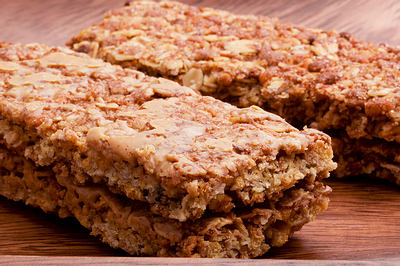
4. Cereal Bars

cereal bar
Cereal bars, also known as breakfast bars, are often considered delicious and healthy breakfast options, but in reality some of them are a nutrition nightmare.
Most cereal bars are high in calories, sugar, unhealthy saturated fat and salt. Being loaded with added sugars, cereal bars are digested quickly and don’t satisfy hunger for long.
There also is a particular concern over the poor nutritional value in certain breakfast foods aimed at children.
A 2013 study done by the University of Hertfordshire reports that children’s ‘healthy’ foods, such as yogurts, cereal bars and ready-made meals, are higher in fat, sugar and salt than those marketed to the general population.
When it comes to breakfast bars, choose those containing whole grains that can give you the desired amount of energy-producing carbohydrates. Calcium-fortified cereal bars are also a good choice.
A 2015 study published in PLOS ONE emphasizes eating calcium-fortified cereal bars to significantly increase calcium intake, especially among women.

5. Doughnuts

donut
Many people indulge regularly in doughnuts for breakfast, but doughnuts are one of the worst breakfast foods. These fried pastries are full of sugar, white flour and trans fat.
The high sugar content will raise your blood sugar level and can lead to significant weight gain over time. In fact, people with diabetes should avoid this sugary food as much as possible.
Doughnuts are made of white flour, a simple carbohydrate that contains close to no fiber. Fiber is essential for digestive health, and it helps lower cholesterol and control blood sugar levels.
Store-bought doughnuts are made up of about 35 to 40 percent trans fat. A 2015 study published in the BMJ reports that intake of trans unsaturated fat is associated with increased risk of cardiovascular disease, coronary heart disease, ischemic stroke and Type 2 diabetes.
Just like doughnuts, muffins and other pastries are also not a good choice for breakfast. Instead of these sugary items, even a glass of plain milk is a better way to start your day.

6. Instant Noodles

instant noodles
When you have a busy morning schedule and need something easy to cook and tasty to eat for breakfast, instant noodles is often the answer. But instant noodles are not at all good for your health.
The two main preservatives, butylated hydroxyanisole (BHA) and t-butylhydroquinone (TBHQ), used in instant noodles can have adverse effects on your health.
A 2005 study published in Drug Metabolism and Disposition notes that long-term constant exposure to TBHQ may prove carcinogenic.
Moreover, the wax used in instant noodles is not digested easily and takes at least 3 days to flush out of your system. These noodles are also filled with empty calories and too much sodium.
A 2014 study published in The Journal of Nutrition reports that high intake of instant noodles may increase a person’s risk for cardio metabolic syndrome, especially in women.

7. White Bread

white bread
White bread is one of the worst foods that you can have for breakfast. White bread has a high glycemic index (GI) as it is made from refined grains that are rapidly absorbed during digestion.
This causes sharp spikes in blood sugar and insulin levels. High GI foods increase your risk for weight gain, Type 2 diabetes and heart disease.
Also, white bread is low in fiber content, so you will usually feel hungry again before lunch time. These breads are also low in essential nutrients and may even have an adverse effect on your health. Plus, they are packed with yeast that can make you feel bloated.
Replacing white bread with a healthier alternative is easy to do. When buying bread, opt for those made with whole grains, such as whole wheat, whole oats or whole rye.
These breads may be a little more expensive than white bread, but they are worth the money in terms of being healthier for your body.

8. Pancakes

pancake
Typical pancakes are made with white flour, sugar, sodium and butter, thus making them unhealthy. It is recommended not to start your day with this sweet, calorie-rich food.
Being low in fiber, pancakes are less filling, thus making you hungry more quickly. They also do not contain any protein that keeps you feeling full.
Plus, the sugar and syrup used in pancakes can rapidly increase your blood sugar and harmful triglyceride levels that raise your risk of heart disease.
Even the butter used in pancakes is not good for your heart. Butter is high in saturated fat, and when eaten in excess can boost blood cholesterol levels.
But you don’t have to give up the fun of a pancake breakfast. Just make them using healthy ingredients.
Make the batter with whole grains and add mashed, grated or chopped nuts, fruits or vegetables to add a punch to the taste as well as nutritional value.

9. Flavored Yogurt

flavored yogurt
Flavored yogurt is another popular and convenient breakfast item that is not healthy due to the presence of artificial colors and flavors. Plus, it contains lots of added sugar and syrup.
Flavored yogurt is low in nutrient value as compared to plain yogurt. It is low in potassium, protein, calcium and vitamin D.
Plus, the mouth-watering flavors actually don’t come from the real fruit, but rather the pureed form that is high in sugar content, which provides instant energy but no nutrition. The sugar also increases your calorie intake, thus making you gain weight.
Instead of flavored yogurt, opt for plain yogurt for breakfast. Plain yogurt is a good source of calcium, protein and gut-healthy probiotics.
You can make your plain yogurt tastier by adding chopped fruits and nuts, such as apples, pomegranates, berries, almonds and walnuts. These add-ons will promote slower digestion and increased satiety.

10. Coffee

coffee
For many, a cup of coffee is a delicious way to boost their mood and brain function in the morning. But coffee is something that you should avoid including in your breakfast menu.
A 1999 study published in Physiology & Behavior reports that when coffee and breakfast cereal is compared, caffeine increased blood pressure and pulse rate, whereas breakfast cereal only had an effect on pulse.
Plus, many add-ons like non-dairy creamers or sugar in a cup of coffee can add excessive carbohydrates or sugar in your body. This in turn is not good for your weight as well as heart health.
Instead of coffee, start your day with a cup of green tea, which is good for your overall health.

Thursday, 4 February 2016

Bestfoods to Lower Lower Cholesterol

A high LDL cholesterol level is medically known as hypercholesterolemia. According to the Centers for Disease Control and Prevention (CDC), over one-third of American adults have high levels of LDL or “bad” cholesterol. This increases the risk of cardiovascular disease, including heart disease and heart attacks.

Cholesterol falls under three categories: low-density lipoprotein (LDL), very-low-density lipoprotein (VLDL) that may need medications and high-density lipoprotein (HDL). LDL and VLDL are bad for your health, while HDL is good for your health.

People of all ages, ethnicities and genders can have high cholesterol.

Certain factors put you at a higher risk, such as excessive smoking, obesity, large waist circumference, poor diet, lack of exercise, hypothyroidism and diabetes. Most of these factors are within your control. Genetics is one risk factor that is beyond your control.

As high cholesterol does not present any symptoms, you need to get your cholesterol levels checked from time to time.

A lipid panel test measures your total, LDL and HDL cholesterol, along with triglycerides. The CDC defines the following blood cholesterol levels as healthy:

Total cholesterol: less than 200 mg/dL (milligrams per deciliter of blood)
LDL cholesterol: less than 100 mg/dL
HDL cholesterol: 40 mg/dL or higher
Triglycerides: less than 150 mg/dL
If not controlled early enough, high cholesterol can lead to health complications like chest pain, heart attacks and strokes.

By making changes to your diet and lifestyle, you can lower your cholesterol. Several foods can help keep your cholesterol at healthy levels.


1. Oatmeal
Having a bowl of oatmeal for breakfast daily is another easy way to lower your high cholesterol level. The high soluble fiber content in oatmeal helps lower LDL.

It reduces the absorption of cholesterol into your bloodstream. Fiber also fills you up quickly and helps you avoid mindless eating.
In addition, eating oats regularly is associated with a reduced risk of cardiovascular disease and Type 2 diabetes.

Eat a bowl of oatmeal for breakfast daily.
You can also add oatmeal to smoothies or use it in baked goods.

2. Almonds
The heart-healthy monounsaturated fats, polyunsaturated fats and fiber in almonds help raise good HDL cholesterol and reduce the bad LDL levels.

A 2011 study published in Nutrition Review found that consumption of tree nuts like almonds help reduce LDL cholesterol, a primary target for coronary disease prevention, by 3 to 19 percent.

In addition, a 2015 study published in the Journal of American Heart Association states that daily almond consumption may be a simple dietary strategy to prevent the onset of cardio-metabolic diseases.

Almonds are a great snack or topping for salads, cereal and yogurt. Eat a handful of almonds a day and remember moderation is key. Other nuts and seeds such as walnuts and flaxseeds are also beneficial for reducing blood cholesterol levels.

3. Orange Juice
Sweet, tangy and juicy oranges are another superfood that has cholesterol-lowering properties.

In a 2000 study published in the American Society for Clinical Nutrition journal, researchers found that orange juice improves blood lipid profiles in people who have hypercholesterolemia. This happens due to the presence of vitamin C, folate and flavonoids like hesperidin in oranges.

Drink 2 to 3 cups of orange juice daily. Freshly extracted juice is a good option. You can also drink plant sterol-fortified orange juice. Phytosterols also help lower total cholesterol to some extent.
Alternatively, you can eat a few oranges daily.

4. Salmon
The omega-3 fatty acids called EPA and DHA found in salmon provide protection against high cholesterol. It helps lower triglycerides and boosts good HDL cholesterol slightly, thus lowering the risk of heart disease.

In addition, salmon is low in cholesterol and saturated fat.

Eat at least 2 servings of salmon each week. Baked and grilled salmon are the best options. A serving of salmon is about 2 to 3 ounces.
You can even take fish oil supplements after consulting your doctor.

5. Soybeans and Soy Products
Soybeans and other soy products offer a complete plant-based protein that is great for those who suffer from high cholesterol.

Although soy may not lower total cholesterol to a great extent, it can still lower bad LDL cholesterol. This high-protein food contains high levels of polyunsaturated fats, fiber, vitamins and minerals as well as low levels of saturated fat.

A study published in 2011 in the Journal of American College of Nutrition found that eating 1 to 2 servings (15 to 30 grams) of soy protein daily has a significant impact on serum lipoprotein risk factors for coronary heart disease.

To help lower your cholesterol, include more soybean, tofu, soy flour, edamame and enriched soy milk in your diet.

6. Green Tea
Drinking a few cups of green tea daily is one of simplest ways to reduce total and LDL cholesterol levels. Green tea intake lowers fasting serum total and LDL cholesterol in adults, according to a 2011 meta-analysis of 14 randomized controlled trials that was published in the American Journal of Clinical Nutrition.

There are several compounds in green tea that prevent the absorption of cholesterol in the digestive tract and aid in its excretion.

In addition, this healthy beverage prevents plaque buildup in the arteries and reduces the risk of having a heart attack or stroke.

Drink 3 to 4 cups of green tea (hot or iced) daily.
You can also take green tea supplements, after consulting your doctor.

7. Olive Oil
Olive oil is high in monounsaturated fat that helps lower bad LDL cholesterol levels. This is turn lowers the risk of heart disease and stroke. In addition, it is rich in vitamin E, an antioxidant that is good for your heart and overall health.

Use 2 tablespoons of extra-virgin olive oil daily as a replacement for less healthy oils. You can use this oil to sauté vegetables, make salad dressing or as a dip for bread.

Note: As olive oil is high in calories, avoid excessive use.

8. Avocados
Avocados are a good source of monounsaturated fats that can help reduce LDL levels in people who are overweight or obese. Monounsaturated fats also help raise HDL levels. Avocados also contain plant sterols that have cholesterol-lowering properties.

In addition, they are rich in protein, fiber, B-complex vitamins, vitamin K and several minerals that are good for your overall health.

Eat an avocado daily. You can add avocado slices to salads and sandwiches or eat them as a side dish.

9. Garlic
Garlic is another superfood that can help reduce high cholesterol. In addition, it prevents blood clots, reduces blood pressure and protects against heart disease.

According to a 2013 press release from the National Institute of Integrative Medicine, garlic extract is a safe and effective alternative to pharmaceutical blood pressure and cholesterol-lowering medications for many people.

Eat 2 to 3 raw garlic cloves on an empty stomach daily.
Use fresh garlic in your salad dressings and in cooking many types of dishes, soups and stews.
You can take garlic supplements after consulting your doctor for the correct dosage.

10. Dark Chocolate
Dark chocolate can also effectively reduce bad cholesterol and improve the level of good cholesterol in the blood.

According to a 2013 study published in the American Journal of Clinical Nutrition, the component theobromine in dark chocolate is mainly responsible for its HDL cholesterol-raising effect.

The high level of antioxidants and flavonoids in dark chocolate prevent blood platelets from sticking together and keep the arteries unclogged. This in turn reduces the risk of heart attacks or strokes.

Eat 1 or 2 small pieces of dark chocolate with at least 60 percent cocoa on a regular basis.

Additional Tips

Strive to maintain a healthy weight.
Quit smoking.
Exercise for at least 30 minutes, 5 days a week.
Avoid alcohol. If you drink, do so in moderation.
Eat a diet low in saturated fats.
Avoid fried or fatty foods and excessive carbohydrates and processed sugars.
Avoid foods that contribute to bad cholesterol, such as red meat, full-fat dairy products, egg yolks and processed foods.

Monday, 8 December 2014

Reasons for Healthcare Crisis in India

While India has made rapid strides in raising economic growth and lifted millions out of poverty, progress in improving healthcare has been slow.

In its recent assessment of the Indian economy, the Organization for Economic Co-operation and Development (OECD) identified India’s poor health outcomes as one of our major developmental challenges. India is a laggard in health outcomes not just by OECD standards, but also by the standards of the developing world. In 2012, India witnessed 253 deaths per 100,000 persons due to communicable diseases alone, much higher than the global average of 178. India faces a higher disease burden than other emerging economies such as China, Indonesia, Brazil, Mexico and Sri Lanka, as the charts below illustrate. Even poorer neighbours such as Nepal and Bangladesh have a better record in health compared to India. 

While India has made rapid strides in raising economic growth and lifted millions out of poverty, progress in improving health outcomes has been slow. As a result, India continues to face an extraordinarily high disease burden, which saps the productivity of Indian workers and lowers their earnings. According to a 2010 World Bank estimate, India loses 6% of its gross domestic product (GDP) annually because of premature deaths and preventable illnesses. 

A key reason behind the poor health of the average Indian is the low level of public investments in preventive health facilities such as sanitation and waste management, as well as in medical care facilities such as primary health centres and health professionals. Even when public health facilities are available, they are often of poor quality. The poorest income classes receive fewer benefits from the public health system than their better-o peers. The lack of reliable public health services and the absence of health insurance compel the poor to spend heavily on private medical care. According to a 2011 research paper by Soumitra Ghosh of the Tata Institute of Social Sciences, Mumbai, out-of-pocket health expenditures account for nearly one-sixth of India’s poverty burden. The high costs of healthcare also act as a deterrent for poor people in seeking treatment, leading to delays and aggravating health problems. 


1) India has one of the highest disease burdens in the world. Many more die of preventable diseases in India than in other countries. 

2) One big reason driving India’s health crisis is the unavailability of doctors and nurses. 


3) Another key reason for poor health of Indians is the high proportion of out-of-pocket expenditure on health because of low insurance coverage and weak public health systems, which forces even poor people to visit private medical practitioners, and drives up average health costs. High healthcare costs often lead people to delay treatment, aggravating health problems. 

4) Public health expenditure in India has moved up over the past decade, but still remains among the lowest in the world. 

5) India’s public health expenditure is not just low, it is also regressive. The poorest income classes benefit less from the public health system than the better-off sections of society.


Tuesday, 23 September 2014

Health Benefits of Drinking Water in the Morning

1. Drinking water balances the lymphatic system of your body. This prompts the lymph to reach your heart in a continuous motion. The lymph glands also help strengthen the immune system, which ultimately helps your body fight infections.


2. Drinking water first thing in the morning, it purges toxins from the blood, which results in glowing and better-looking skin.


3. Drinking water in the morning increases your metabolism by almost 25%, which ultimately leads to weight loss.

4. Drinking water helps in rehydration, which would help you get rid of headaches and back pain. These are often caused by dehydration.

5. Drinking water early in the morning would make you a regular cycle, as it helps in digestion of food and prevents constipation.

6. Drinking water helps you think better, as your brain is made up of fluid.


7. Drinking water also boosts your energy levels as the nutrients are absorbed better.

Also, when you start the habit of drinking water in the morning, start with not more than 4 glasses of water. Increase the intake eventually as you start to realize the advantages.

Wednesday, 9 July 2014

Myths about Heart

1. All kinds of exercise are good for the heart

Among some of the most common myths related to heart care, according to renowned cardiologist Dr Ashok Seth, is that all kinds of exercise is good for the cardiovascular system.

‘A 45-minute brisk walk, or aerobic exercise is good for your heart. But weightlifting and gym exercises are not necessarily good for your cardiovascular health,’ Seth told IANS. (Read: Is running bad for your heart?)

2. Women are less prone to heart ailments

It’s also a misconception that women are less prone to cardiovascular ailments.

‘Cardiovascular disease is the biggest cause of death in women, six times more than breast cancer,’ Seth said. ‘But traditionally it’s seen that in most Indian families this doesn’t appear as a concern vis-a-vis a woman’s health. If the man has a slight discomfort, they rush to the hospital, but the women, maybe because they have a high tolerance level, simply ignore any such discomfort’.

‘Even while going for health check-ups, a mammogram or a pap smear test is listed (to detect cancer), but not a heart check-up, which is very necessary,’ he added.

Agreed K.K. Talwar, cardiologist at Delhi’s Max hospital. ‘Although women have the protection cover of the estrogen hormone, lifestyle habits like smoking, unhealthy eating habits and contraceptive pills make them prone (to heart ailments). And after menopause, the risk increases,’ Talwar said. (Read: Indian women more vulnerable to heart diseases now)

3. Young cannot be affected by heart ailments

That the young cannot be affected by heart ailments is another myth, Talwar says.

‘It’s no longer true that only those in their 50s and 60s can have cardiovascular problems. Even those in their 30s are coming with such problems these days. In fact, because of lifestyle habits like junk food, alcohol consumption and smoking, plus stress, they are prone to acute heart attacks that can be fatal,’ he said.

According to Talwar, about 20 percent of heart attack patients in Max hospital are in the 30-40 age group. In the West this number is 5 to 10 percent lower because South Asians are more prone to cardiovascular problems at a younger age than their Western counterparts. ‘Five to seven percent of those who come for angiography are below the age of 35,’ Talwar told IANS. (Read: More young people falling prey to hypertension)

4. Heart pain, indicating emergency, will be on the left side of the chest

It’s not necessary that heart pain, indicating emergency, will be on the left side of the chest, Sunita Choudhury, another cardiologist, emphasised. ‘It may also be in the right arm, upper abdomen, and usually in the left arm,’ she said.

5. A particular brand of oil is good for your heart

Much against TV and print commercials promoting a particular kind or brand of oil as being good for the heart, doctors say that such information should be taken with a pinch of salt.

‘Trans-fatty acid is bad for the heart, and one should look out for food containing that. Other than that, there is no truth that only a particular kind of oil is good, like the trend is of olive oil. Even mustard oil is good,’ Talwar said. But even as the Mustard Research and Promotion Consortium says that mustard oil can prevent coronary artery disease, many doctors say that it’s best to keep changing one’s brand or kind of oil every few months.

Read more about causes, symptoms, diagnosis and treatment of heart disease.

6. Nuts are bad for your heart

Nuts, a rich source of oil, are also not at all bad. ‘Almonds and walnuts are good for the heart, and one should have 8 to 10 pieces of almond, soaked in water, every day,’ Seth said. But don’t go overboard – fried almonds are a big no. As doctors say, it’s often a thin line separating information and misinformation.